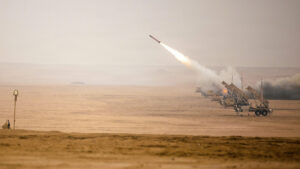
US OKs missile guidance kits, Patriot repairs, Javelins for Middle East partners
One proposed deal would allow the United Arab Emirates to purchase $1 billion-worth of Advanced Precision Kill System-II Guidance Sections.
One proposed deal would allow the United Arab Emirates to purchase $1 billion-worth of Advanced Precision Kill System-II Guidance Sections.
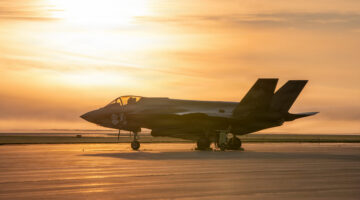
The approval comes a year after President Donald Trump announced Riyadh would be permitted to buy the highly advanced stealth fighters, though lawmakers could still block the sale.

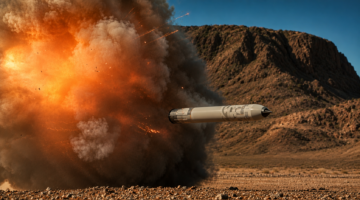
The goal of such weaponization is to tie warfighter needs to the RDT&E cycle.
We review a few final insights and observations from this year's Farnborough International Airshow.
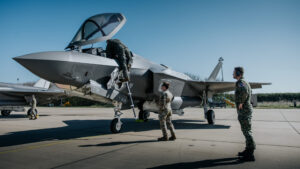
Skepticism surrounding US-European relations has led to a serious push on the continent to move away from buying weapons that are subject to US arms-traffic regulations.

Commerce Undersecretary William Kimmitt was at the Farnborough Airshow to develop a list of "high priority" potential sales, he told Breaking Defense.

Fanning also gave The Break Out his take on the state of foreign military sales and the room for reform.

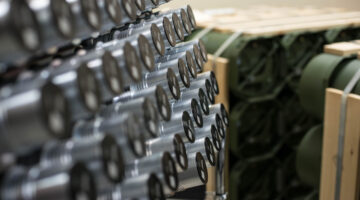
APKWS® laser‑guidance kit provides reliable precision‑guided munitions across missions and platforms, delivered quickly to meet evolving operational demands.

“The hardest part is just to time phase it because there's so many things hitting the enterprise all at once,” said Michael Cadenazzi, the assistant secretary of Defense for Industrial Base Policy.
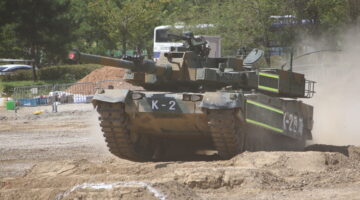
“When they come to the US and say, ‘We would like to buy the system’ …they are told, ‘Okay, but [it will be delivered in ] 2029-2030 and you know, it still could be delayed,’” said Poland’s Military Representative to NATO, Lieutenant General Piotr Błazeusz.
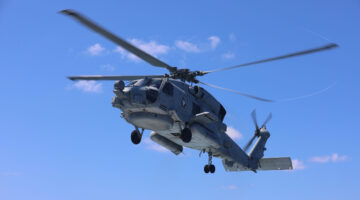
New Zealand could receive five Lockheed Martin MH-60R Seahawk helicopters as well as airborne low-frequency sonars.

“The bottom line is the US is becoming less dependable as a supplier," one analyst said.


Decentralized Embodied Collaborative intelligence enables better reconnaissance, logistics and combat capabilities.
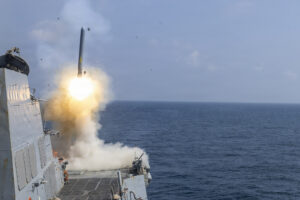
A number of factors may "lead even long-standing allies and partners to question whether or not it's wise to continue to depend on the United States for essential defense articles and services,” one analyst said.
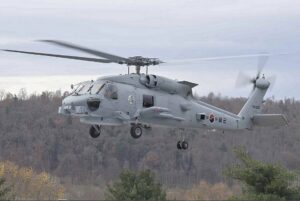
India has also been approved for howitzer, helicopter sustainment packages.

The possible deals include three countries buying APKWS, and Qatar could be purchasing more Patriot interceptors.

Norway’s MOD has been formally notified by US authorities that delays in the delivery of American weapons “may occur,” the ministry said on Friday.